Retention Wall Construction in Brevard County, FL
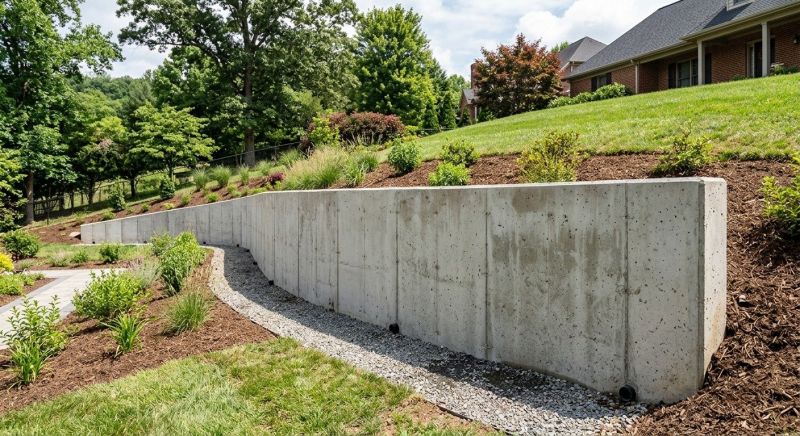
Retention wall construction services involve building structures designed to hold back soil and prevent erosion on sloped or uneven properties. These walls are commonly used in landscape projects such as terracing gardens, creating level areas, or stabilizing slopes to improve both functionality and appearance. Homeowners often request these services when they want to enhance their yard’s usability, prevent soil movement, or improve drainage around their property. It’s important for property owners to consider factors like the type of soil, the height and length of the wall, and the overall landscape design before requesting a retention wall project.
Property owners typically want to understand the materials available, such as concrete, stone, or timber, and how each choice impacts durability and aesthetics. They may also inquire about the necessary permits, excavation requirements, and the expected lifespan of different wall types. Clarifying the intended purpose-whether for erosion control, aesthetic enhancement, or creating additional usable space-can help determine the most suitable design and construction approach. Proper planning ensures the retention wall will effectively serve its purpose while complementing the existing landscape.
Many property owners in Brevard County, FL look into Retention Wall Construction for repairs, replacements, upgrades, and appearance-related improvements.
Types Of Retention Walls
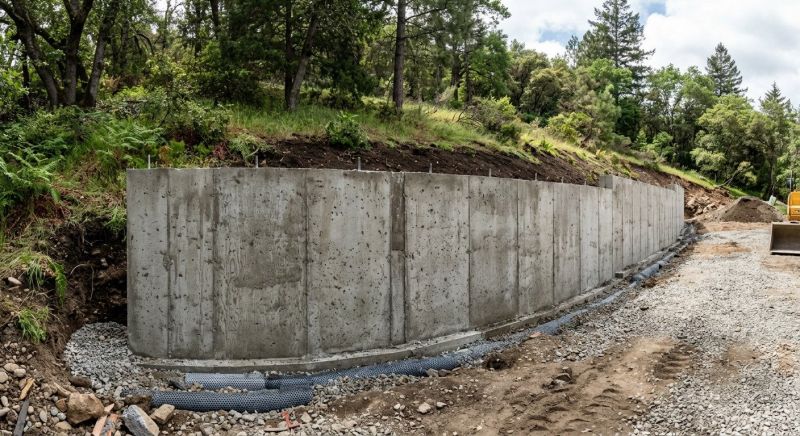
Various materials and designs are available to suit different landscape needs and aesthetic preferences.
Benefits Of Retention Walls
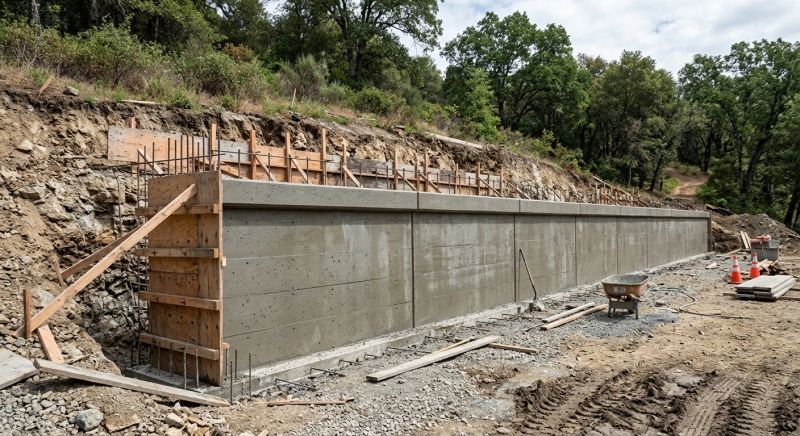
They help prevent soil erosion and create level areas for gardens, patios, or walkways.
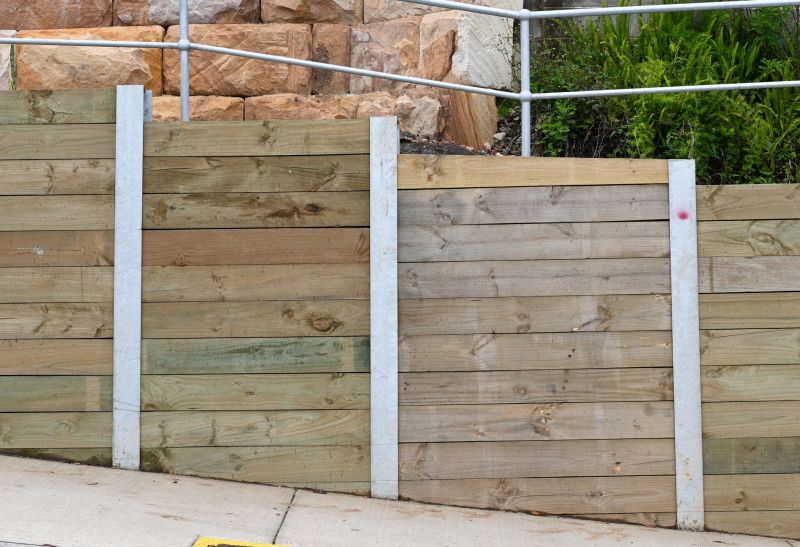
Common Applications
Retention walls are often used for hillside properties, terraced gardens, and property boundary support in brevard county, fl.
Retention Wall Construction in Brevard County, FL
Retention wall construction services involve building structures designed to hold back soil and prevent erosion on sloped or uneven properties. These walls are commonly used in landscape projects such as terracing gardens, creating level areas, or stabilizing slopes to improve both functionality and appearance. Homeowners often request these services when they want to enhance their yard’s usability, prevent soil movement, or improve drainage around their property. It’s important for property owners to consider factors like the type of soil, the height and length of the wall, and the overall landscape design before requesting a retention wall project.
Property owners typically want to understand the materials available, such as concrete, stone, or timber, and how each choice impacts durability and aesthetics. They may also inquire about the necessary permits, excavation requirements, and the expected lifespan of different wall types. Clarifying the intended purpose-whether for erosion control, aesthetic enhancement, or creating additional usable space-can help determine the most suitable design and construction approach. Proper planning ensures the retention wall will effectively serve its purpose while complementing the existing landscape.
Many property owners in Brevard County, FL look into Retention Wall Construction for repairs, replacements, upgrades, and appearance-related improvements.
Common Retention Wall Construction Jobs
Retaining wall installation - helps prevent soil erosion and stabilize slopes on residential properties.
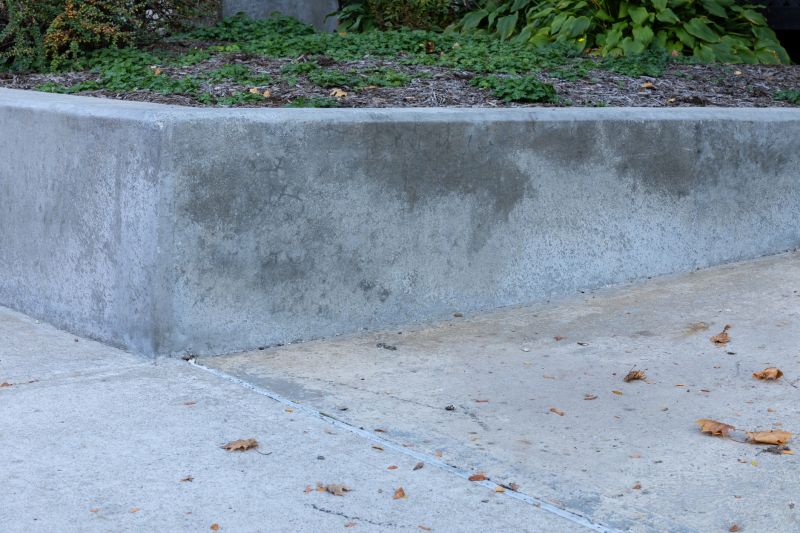
Concrete retaining walls - provide durable support for garden beds and terraced landscapes.
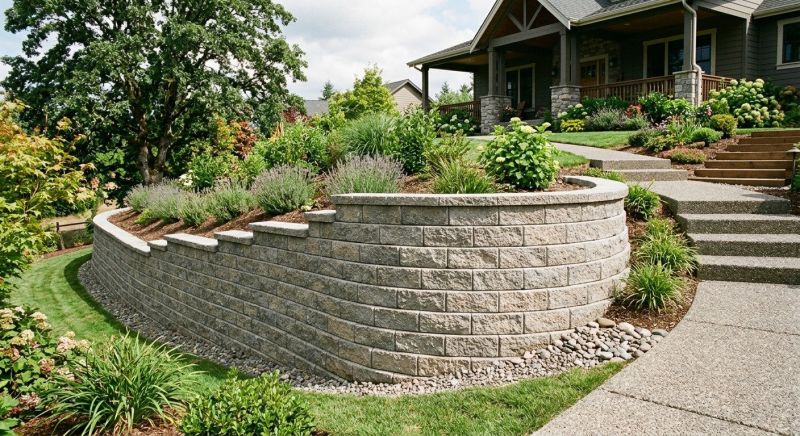
Stone retaining walls - add natural beauty and strength to landscape boundaries.
Wood retaining walls - offer a cost-effective solution for level changes and yard accents.
Landscape retaining walls - create functional outdoor spaces by managing uneven terrain.
Reinforced retaining walls - ensure long-lasting stability for challenging soil conditions.
Retention Wall Construction Questions
What types of retaining walls are commonly built? Common types include gravity, cantilever, and segmental block walls, suitable for various landscape needs.
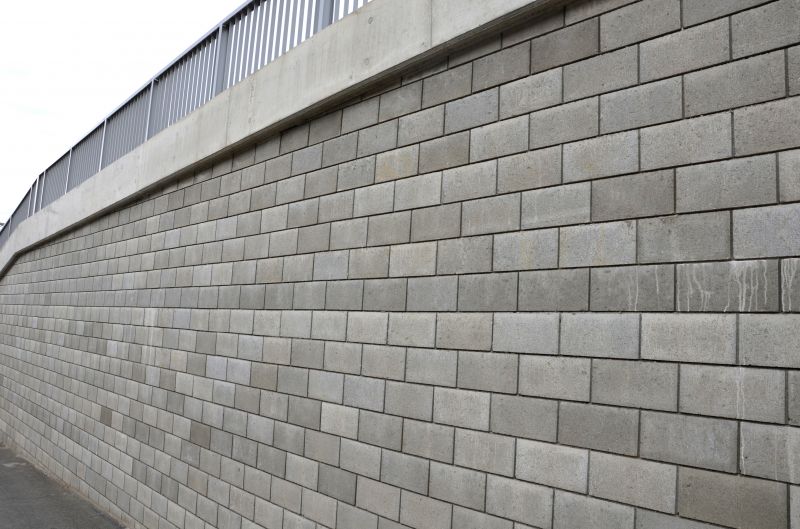
What materials are used for retaining walls? Materials such as concrete, stone, and concrete blocks are frequently used to ensure durability and stability.
What projects typically require a retaining wall? Retaining walls are often used for slope stabilization, garden terraces, and property leveling.
What should property owners consider before construction? It's important to evaluate soil conditions, drainage needs, and the intended purpose of the wall.
Request Retention Wall Construction in Brevard County, FL
Use the quote form on this page to share the basics of your project and request more information for the type of work you need.